
Understanding Dental Prosthetics
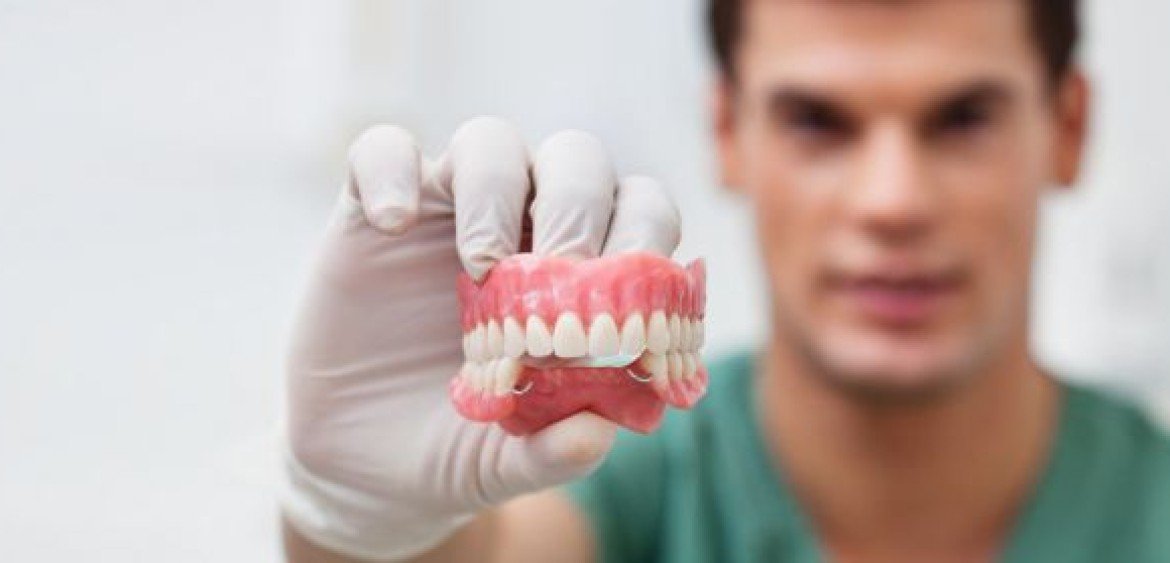
Dentures are devices used to restore missing or damaged teeth, improving chewing function and the aesthetics of the smile. They can be removable or fixed, depending on the patient’s needs. Dentures are an effective solution for restoring oral health and improving quality of life.
Types of Dental Prosthetics
Fixed Prosthetics (Crowns and Bridges):
- Crowns: These are coverings placed over a damaged or weakened tooth to restore its shape, function, and aesthetics. Crowns can be made of metal, ceramic, or a combination of both, depending on the patient’s aesthetic and functional needs.
- Bridges: Used to replace one or more missing teeth, bridges are attached to adjacent teeth (abutment teeth) and fill the gap. They can be made of aesthetic materials such as ceramic or metal for greater strength.
Removable Prosthetics:
- Partial Dentures: These dentures are used when some natural teeth are still present. They are designed to fit the mouth and replace the missing teeth, remaining stable thanks to clasps or brackets that anchor the existing teeth.
- Complete Dentures (Dentures): Complete dentures are used when all the teeth in one part of the mouth are missing. They are designed to fit the gums and restore the appearance and function of the mouth.
Implant-Retained Dentures:
Implant-retained dentures are anchored to dental implants, which are small screws inserted into the maxillary or mandibular bone to replace the roots of missing teeth. Once the implant has integrated into the bone (osseointegration), a crown, bridge, or denture can be placed over the implant.
Advantages of Dental Prosthetics
Dental Consultation: During your initial visit, your dentist will assess your oral health, including your remaining teeth and jawbone. He or she will discuss treatment options with you and recommend the type of denture best suited to your needs.
Teeth Preparation: If implants or crowns are needed, your teeth and gums may need to be prepared, which may include surgery or the removal of damaged teeth.
Denture Creation: Impressions of your mouth are taken to create custom dentures that fit perfectly. This process requires several appointments.
Denture Installation: Once the denture is ready, it will be installed in your mouth, ensuring proper fit and function. If the dentures are implants, the process will take longer, as the implants must integrate with the bone.
Care and Maintenance: It is essential to care for your dentures with proper oral hygiene. Dentures should be cleaned regularly and checked by your dentist to ensure there are no problems such as infection or damage.

When are Dental Prostheses Indicated?

Dentures are recommended for:
Loss of one or more teeth due to decay, trauma, or periodontal disease.
Teeth irreparably damaged that cannot be saved with other procedures such as fillings or veneers.
Missing teeth and the need to restore chewing function or smile aesthetics.
Dentures offer a practical and long-lasting solution to improve oral health and quality of life, allowing patients to smile, chew, and speak without worries.