What are dental veneers?
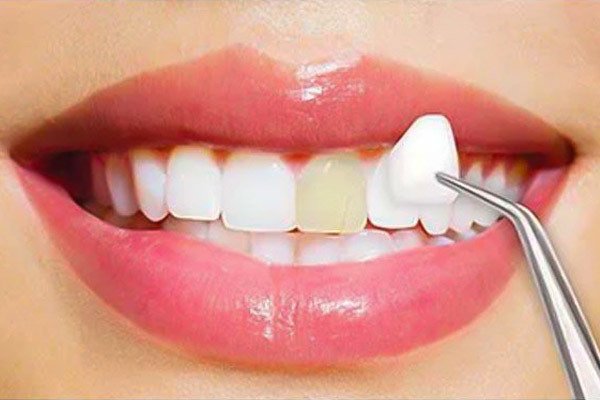
Dental veneers are thin layers of material, usually ceramic or composite resin, applied to the front surface of teeth to improve their aesthetic appearance. They are used to correct aesthetic problems such as stained, chipped, uneven, or crooked teeth.
What are dental veneers used for?
- Improve the appearance of teeth: Veneers can correct aesthetic imperfections such as stains, cracks, or worn teeth, restoring a brighter and more even smile.
- Make teeth more even: If teeth are crooked or misaligned, veneers can be used to improve alignment without the need for braces.
- Correct worn or damaged teeth: Veneers can repair surface damage to teeth, such as cracks or chips, restoring their function and appearance.
- Improve the shape of teeth: Veneers can also be used to make teeth more proportionate, improving the symmetry of a smile.
Advantages of Dental Veneers
Improved aesthetics.
Non-invasive solution.
Long-lasting.
Relatively quick and simple treatment.
If you want a perfect, natural smile, dental veneers may be the ideal solution for you.
Veneer Materials
Dental veneers can be made from various materials, each offering specific advantages in terms of aesthetics, durability, and fit. The main materials used for dental veneers include:
Ceramic (Porcelain):
- Aesthetics: Ceramic is the most common material for dental veneers due to its ability to mimic the natural appearance of teeth. It reflects light similarly to tooth enamel, creating a very natural effect.
- Durability: Ceramic veneers are strong and durable, although they can be more fragile than other materials, especially with a strong bite or trauma.
- Advantages: Excellent aesthetics, stain resistance, biocompatibility with oral tissues.
Composite Resin:
- Aesthetics: Composite resin is a material that can be molded directly to the teeth. Although less reflective than ceramic, it is still a satisfactory aesthetic choice.
- Durability: Less resistant to breakage and wear than ceramic, but offers good stain resistance.
- Advantages: Lower cost than ceramic, can be applied directly without the need for a prefabricated veneer, and is easier to repair.
Zirconium:
- Aesthetics: Zirconium is a very durable material that can be used for ceramic veneers. It offers good aesthetics, although not quite comparable to natural porcelain, but it is very resistant.
- Durability: It is one of the most durable and resistant materials, ideal for posterior teeth or for those with strong bites.
- Advantages: Excellent resistance to fracture and strong bites, biocompatible, can be used for both anterior and posterior teeth.
Layered Composite (Ceramic + Resin):
- Aesthetics and Durability: Some veneer systems combine ceramic with composite resin to achieve the best balance between aesthetics and strength.
- Advantages: Better aesthetics than composite resin alone and greater strength than ceramic alone.
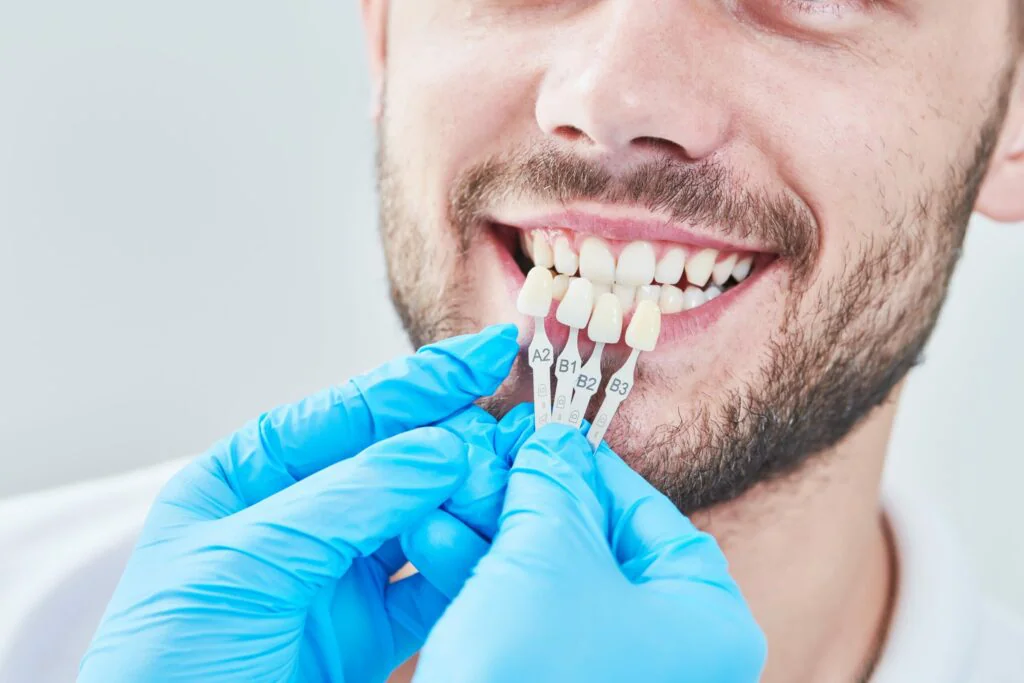
Choosing the right material for dental veneers depends on your aesthetic needs, desired durability, and budget. Your dentist will help you choose the most suitable material based on the position of your tooth, your chewing strength, and your aesthetic preferences.